
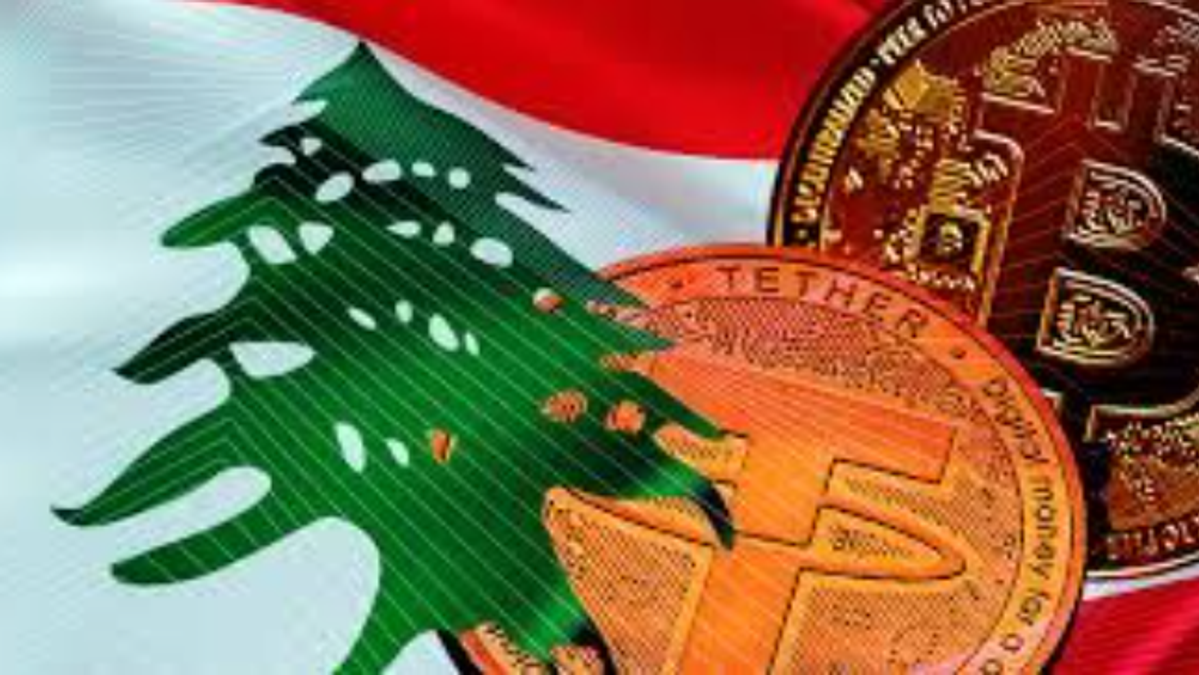
If you follow major events in the global economy, you’ll probably recall that Lebanon’s recent past serves as a vivid example of what a full-blown currency collapse looks like in a modern, advanced economy.
Before its economic collapse, Lebanon was a vibrant, cosmopolitan country, often called the "Paris of the Middle East." Its economy thrived on banking, tourism, and services, positioning it as a bridge between East and West.
Yet beneath the surface, cracks were forming. Lebanon’s banking sector, once a source of pride, was built on unsustainable practices, and the country was drowning in debt. For years, Lebanon’s central bank had pegged the Lebanese pound to the U.S. dollar at an artificially high rate, creating a false sense of stability.
This currency peg required constant inflows of dollars to maintain. When those inflows dried up, the house of cards collapsed.
In 2019, Lebanon’s banks began restricting access to savings, imposing informal capital controls without any legal framework. "Overnight, people lost access to their funds
In early 2020, Lebanon defaulted on its foreign debt, and the value of the Lebanese pound plummeted. Hyperinflation set in, destroying the purchasing power of ordinary people.
Could this have been prevented? Or at the very least, could individuals have somehow protected themselves better? Sure – with access to bitcoin, many of the worst effects of the crisis might have been avoided.
Bitcoin is immune to the kind of capital controls Lebanon’s banks imposed in 2019. No government or bank can freeze your bitcoin or restrict access to it. In a country where the banking system became a trap, bitcoin would have provided a way out.
Even as Lebanon’s currency lost over 90% of its value, bitcoin held its purchasing power globally. Bitcoin isn’t tied to any government or central bank, so it can’t be manipulated the way the Lebanese pound was. It’s a hedge against hyperinflation, which would have been critical when prices were doubling and tripling every few months.
Bottom Line: What happened to Lebanon could happen anywhere. Don’t think you’re immune just because you live in a so-called stable country. The mechanics of fiat currency are the same everywhere.
I strongly believe that the collapse of the Lebanese pound was avoidable, but that would have required structural reforms that never came. If Lebanon had tackled corruption, maintained transparency, and adjusted the currency peg responsibly, things might have turned out very differently. But given the deep-rooted corruption in Lebanon’s political and financial systems, the collapse was almost inevitable.
Lebanon’s collapse is not just a cautionary tale for people living in developing economies. It’s a wake-up call for the entire world.
Share your thoughts....
Blackhawk Partners, Inc.