
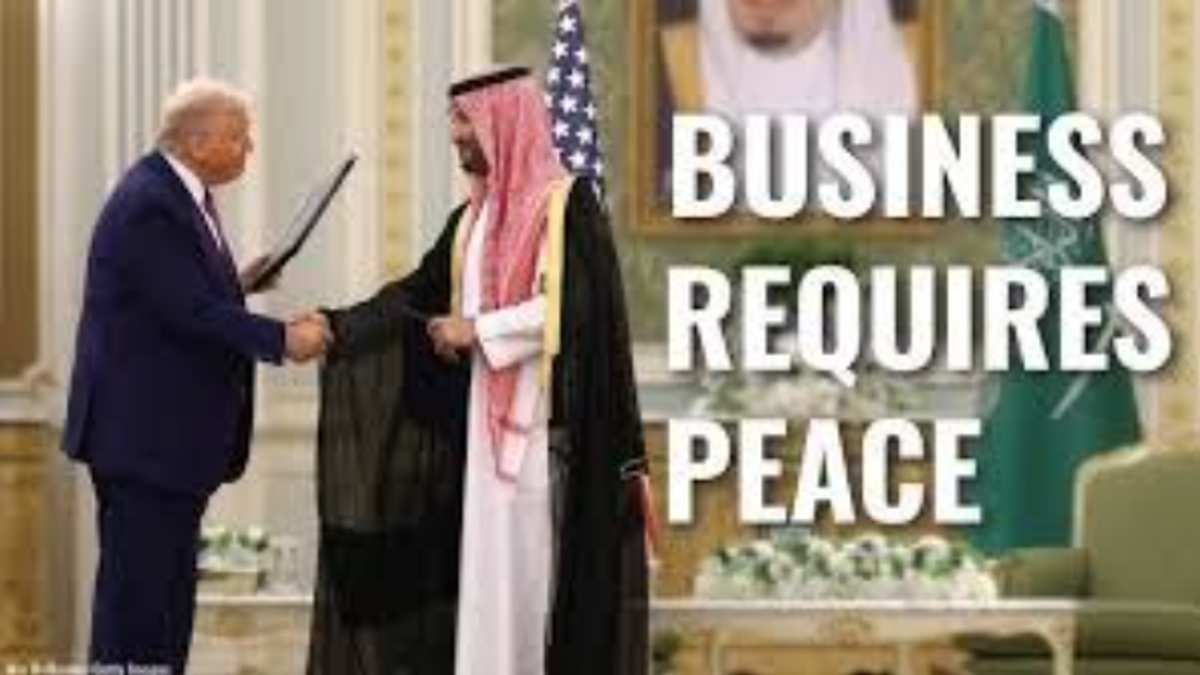
This concept of cultivating peace by fostering commerce traces its roots back to Montesquieu and the Enlightenment. The thought is that increasing commerce leads to shared interests, recognition of the rule of law, and growing prosperity, all of which preclude armed conflict.
At the end of WWII, the U.S. realized that only America, with about fifty percent of the global GDP, could reignite the fires of international trade, production, and competition. In league with its wartime allies, agreements like Bretton Woods were executed and multilateral regulatory and monitoring organizations like the WTO were established. With its enormous financial, military, and market clout, America was able to get the flywheel of global commerce moving again.
It worked, of course. In 1945, global GDP was approximately $1T, while today it is about $117T. Even better, the percent of the world’s population living in extreme poverty shrank from fifty-five percent to less than ten percent today. These epic improvements are all due to the expansion of global commerce and free markets, driven by the U.S. sharing its markets, finances, and enforcement power.
But we still have war on many fronts. We still have situations around the globe where warring parties only use the cessation of hostilities to reload, for the next round of fighting. Recent examples of this War-Pause-Reload-War are in Ukraine vs. Russia; Israel vs. Hamas and Hezbollah; and multiple players in Syria.
The problem with ceasefire-type peace agreements is that they immediately raise the question: What next? If there is no attractive answer to that question, the former enemies will most likely start planning to procure bigger weapons for the next round.
On the other hand, commerce, to even exist, requires ongoing trust and hope for the future. What may have been overlooked in the enthusiasm for global monitors, multilateral financiers, and multi-nation partnerships is that true commerce is built on millions of one-on-one private sector transactions. Regardless of how many agreements and regulations are in place, an individual must always make a final leap-of-faith to conclude a bank transfer and buy a product or service. The more often this works, the more progress is made in instilling trust between individuals and nations, and the more peace progresses.
The Trump Administration’s commitment to resolution of conflict through commerce is why we should remain optimistic about the future for international development practitioners. Those practitioners who have strong records of successful programs which feed economic prosperity using local resources and private sector assistance are well-positioned for getting back to work in international development.
Are you as optimistic as to the final result? Share your Thoughts
Blackhawk Partners, Inc.
Brain Expansion Group