Hezbollah’s Influence on Young Shiites in Lebanon
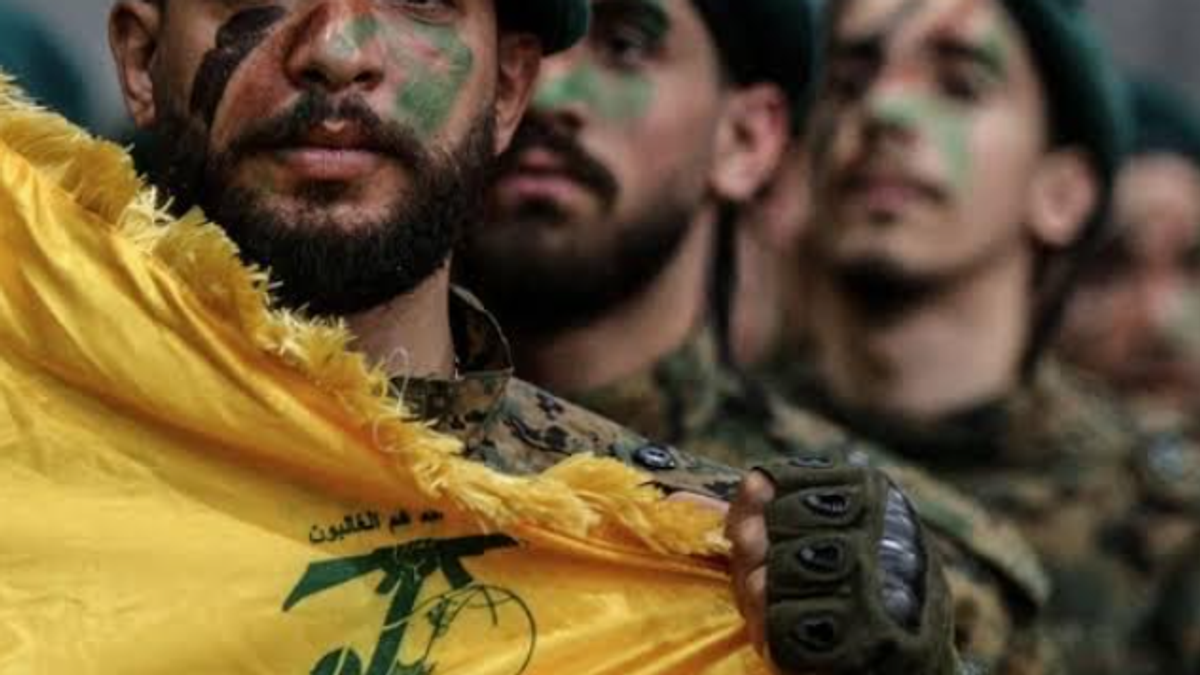
Hezbollah has a significant influence on the identity, political views, religious beliefs, and social opportunities of many young Shiite Muslims in Lebanon. Beyond its role as an armed organization, it operates as a political party, provides social services, and promotes a particular vision of Shiite Islam, Lebanese identity, and resistance to Israel. However, young Shiites hold diverse opinions, and their attitudes towards Hezbollah are shaped by family background, education, religious beliefs, economic circumstances, and personal experiences.
Main Sources of Influence
Education and Youth Organizations
Hezbollah-linked schools, scout groups, and student associations expose young people to its political and religious ideas. Organizations such as the Al-Mahdi Scouts combine sports and community activities with the promotion of Hezbollah’s values, fostering a sense of belonging and potentially strengthening identification with the movement.
Social Services and Economic Support
Hezbollah provides healthcare, educational assistance, financial aid, and other community services. Where state institutions struggle to meet public needs, these services can build trust and loyalty among young people and their families. However, benefiting from this assistance does not necessarily imply political support.
Conflict with Israel and Resistance
Memories of occupation, military confrontations, displacement, and destruction shape how young Shiites perceive Hezbollah. Some view it as essential for protecting Lebanon and their community, while others criticize its military strategy because of the human and economic costs of conflict.
Why Some Young People Support Hezbollah
Young Shiites may support Hezbollah for several reasons:
- Protection: They see it as defending Lebanon against Israel.
- Community representation: They believe it represents and protects a historically marginalized community.
- Social assistance: They value its welfare services and community institutions.
- Family and social ties: They are influenced by relatives and established community networks.
- Religious identity: They identify with its emphasis on resistance, sacrifice, and solidarity.
These motivations often overlap, reflecting a combination of political, religious, and social influences.
Conclusion
Hezbollah’s influence on young Shiites in Lebanon stems from its role in education, social welfare, religious identity, community networks, and resistance to Israel. These factors can strengthen loyalty and provide a sense of belonging, but they can also reinforce political conformity and discourage disagreement in some settings.
Nevertheless, young Shiites are not a homogeneous group. While some strongly support Hezbollah, others question its policies, oppose its military role, or support certain aspects of its work while rejecting others. Recognizing this diversity is essential to understanding Hezbollah’s continued influence and the growing debate within Lebanon’s Shiite community about its political and social role.
How to Separate Shia Identity from Hezbollah
The key is to distinguish Shia religious identity from Hezbollah as a political and armed organization, without stigmatizing the wider community. Reducing Hezbollah’s influence requires strengthening Shia citizens’ access to public services, political representation, security, and freedom to express independent views.
Lebanese Shia are not a homogeneous group. Their views on Hezbollah’s leadership, weapons, ties to Iran, and role in society vary. The organization’s support is rooted partly in political representation, security concerns, social-service networks, and regional alliances.
Six Key Priorities
Separate identity from allegiance: Emphasize that Shia identity does not imply support for Hezbollah or its policies.
Strengthen the Lebanese state: Improve healthcare, education, infrastructure, employment, and reconstruction, particularly in Shia-majority areas.
Address security concerns: Offer credible protection, border security, and support for displaced civilians while strengthening state institutions.
Expand political alternatives: Support independent Shia leaders, competitive elections, accountable local government, and civic organizations.
Focus criticism on actions, not identity: Debate Hezbollah’s military role, political decisions, and relationship with Iran without conflating these issues with Shia religious beliefs.
Build cross-sectarian coalitions: Unite citizens around shared priorities, including economic recovery, public services, anti-corruption measures, and national sovereignty.
What to Avoid
- Collective blame or religious stigmatization.
- Economic punishment targeting civilian communities.
- Political exclusion that undermines Shia representation.
- Criticism without credible alternatives for security, services, and governance.
Strategic objective: Demonstrate that a strong, sovereign Lebanese state can protect Shia citizens’ security, rights, and identity without requiring dependence on Hezbollah. Lasting change depends on credible institutions, inclusive political representation, and practical alternatives—not coercion or sectarian polarization.