In-depth analysis, geopolitical strategy, and critical updates.
The Economics of Human Security - Why Lebanon's Recovery Must Begin with Its People
Decades of donor conferences in Lebanon and macro-reforms have failed because they ignored the foundation of true recovery. Until human security and households are placed at the center, agreements will keep missing the point.

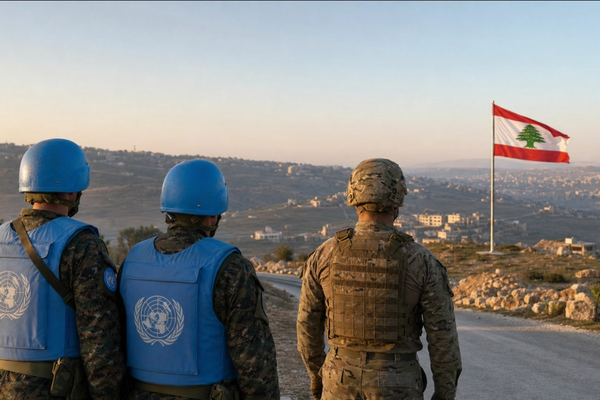
Beyond UNIFIL
As UNIFIL prepares to withdraw, Lebanon must decide whether a temporary international presence is necessary and, more importantly, whether it is finally prepared to empower the Lebanese Armed Forces to exercise full sovereign authority in the south.
The Weaponization of Macroeconomics
The weaponization of macroeconomics is transforming the global landscape, as economic variables are no longer merely affected by conflict but are becoming direct instruments of strategic competition between states.
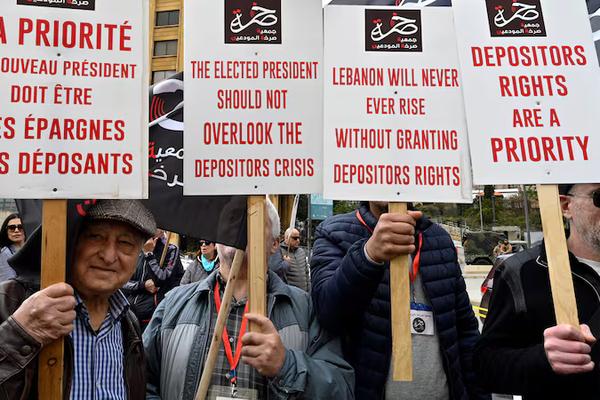
Lebanon's Banking Crisis Transformed Far More Than Bank Balance Sheets; It Transformed The Very Nature Of Bank Deposits
Lebanon’s financial crisis transformed bank deposits from trusted, liquid money into uncertain financial claims through years of administrative intervention. Consequently, any effective bank resolution must first legally define the current nature of these claims rather than treating them as they were before the crisis.
Lebanon's Road Off the FATF Grey List: Governance, Institutional Effectiveness, and the Return of Confidence
Lebanon's ability to exit the FATF Grey List at the end of 2026 will depend not on the passage of new laws, but on demonstrating effective implementation of its AML/CFT reforms. Despite economic and post-war challenges, FATF's decision will be based on measurable institutional performance, including financial intelligence, investigations, asset recovery, and risk-based supervision, making effective governance the key to restoring international confidence.
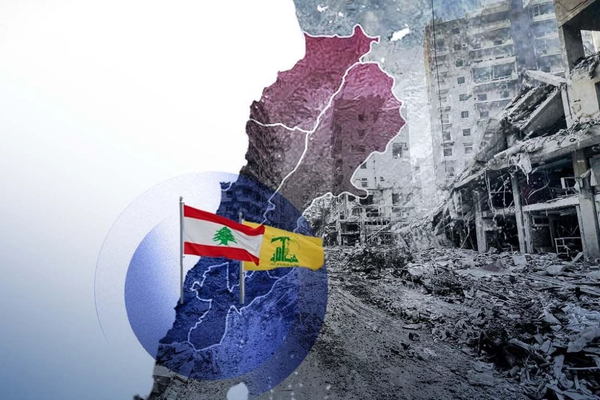
Lebanon’s Monetary Landscape Under Escalating Sanctions
U.S. sanctions on Lebanon are no longer viewed solely as financial or legal measures targeting specific individuals or networks. They increasingly reflect a broader shift in Washington’s approach, moving beyond Hezbollah’s funding networks to touch Lebanon’s political, security, and institutional spheres. Recent sanctions against political, parliamentary, and security figures linked to the party signal this change, suggesting a growing focus on structures seen as supporting Hezbollah’s influence within the Lebanese state. This development places Lebanon in a sensitive position, particularly because its economy remains closely connected to the global financial system.
Beyond the Label: Understanding Lebanon's Systemic Crisis - The Politics of Time & Inaction.
The prolonged delay in recognizing and allocating losses transformed time itself into an implicit adjustment mechanism. Rather than resolving insolvency through transparent restructuring, the adjustment occurred through inflation, currency depreciation, and the erosion of purchasing power, effectively shifting the burden of the crisis from institutions to the public.
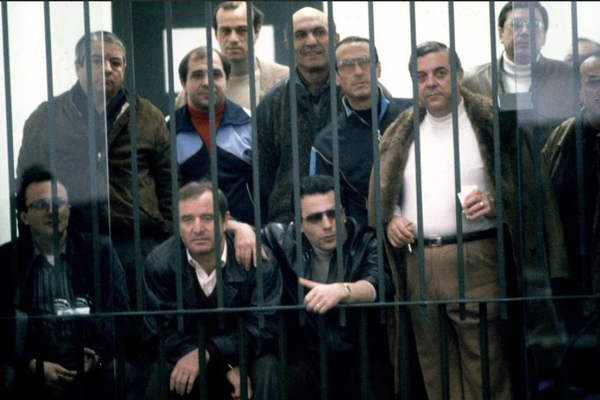
Lessons Learned for Lebanon — The Italy Case.
To dismantle a state-infiltrated militia, one cannot rely on compromised existing institutions. The Italian "Maxi Trial" proves that a hyper-vetted, autonomous judicial spearhead is required to treat the militia and its political enablers as a single, unified criminal conspiracy.
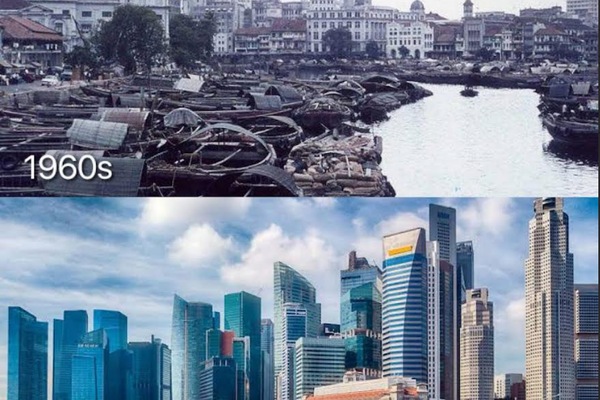
Lessons Learned for Lebanon— The Singapore Case.
To break the knot of corruption in Lebanon, the strategy must simultaneously address the militia and its financial protectors. The Singapore model demonstrates that by inverting the burden of proof, the state can shatter patronage networks and establish an uncompromised governance model.
Submit Your Article
Share your insights with our editorial board for review.