A sourced accounting of financial losses, mismanagement, and wasted potential in Lebanon's economy.
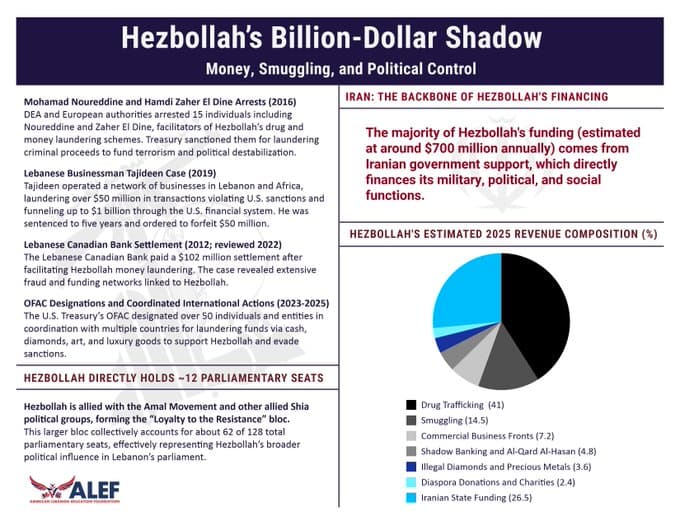
Illicit Revenue Streams
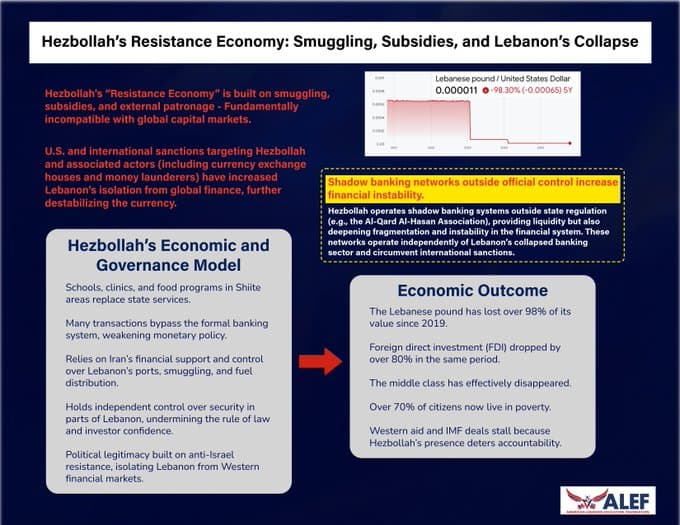
Currency and Capital Controls
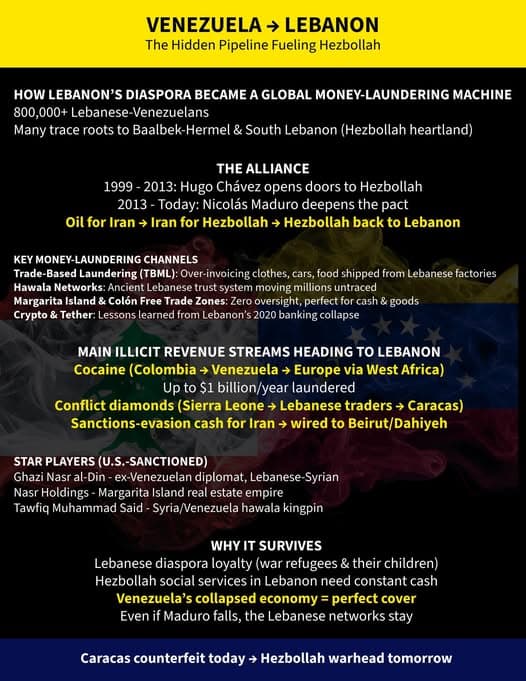
International Money Flows
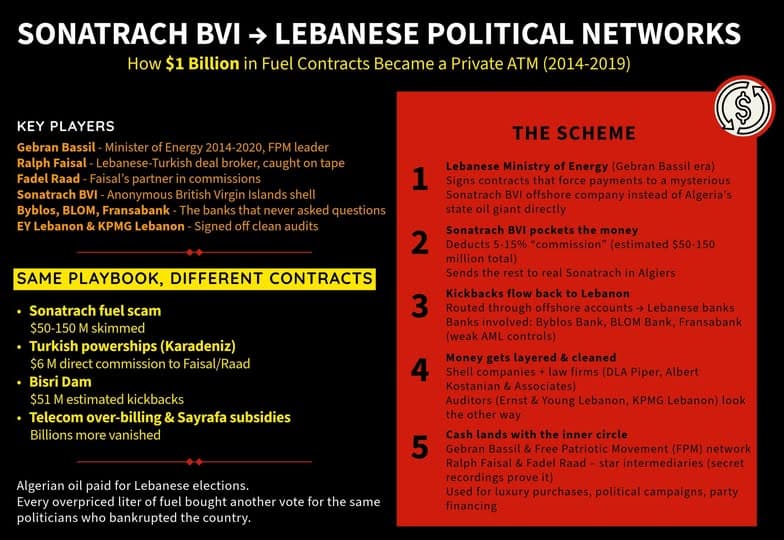
Energy Sector Pricing and Procurement
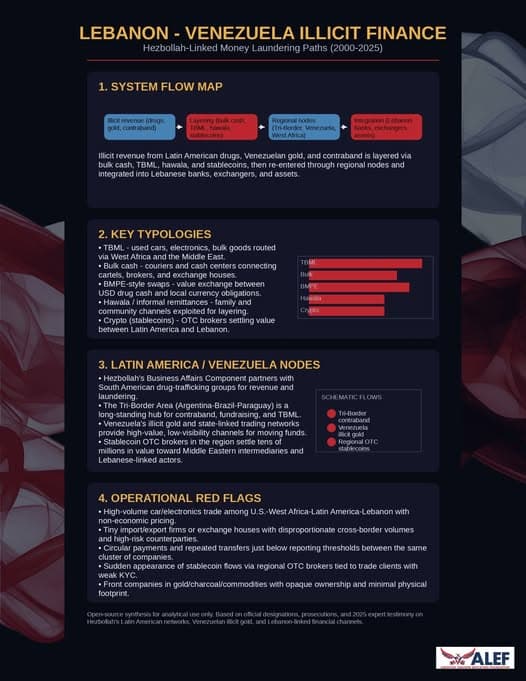
Cross Border Financial Flows
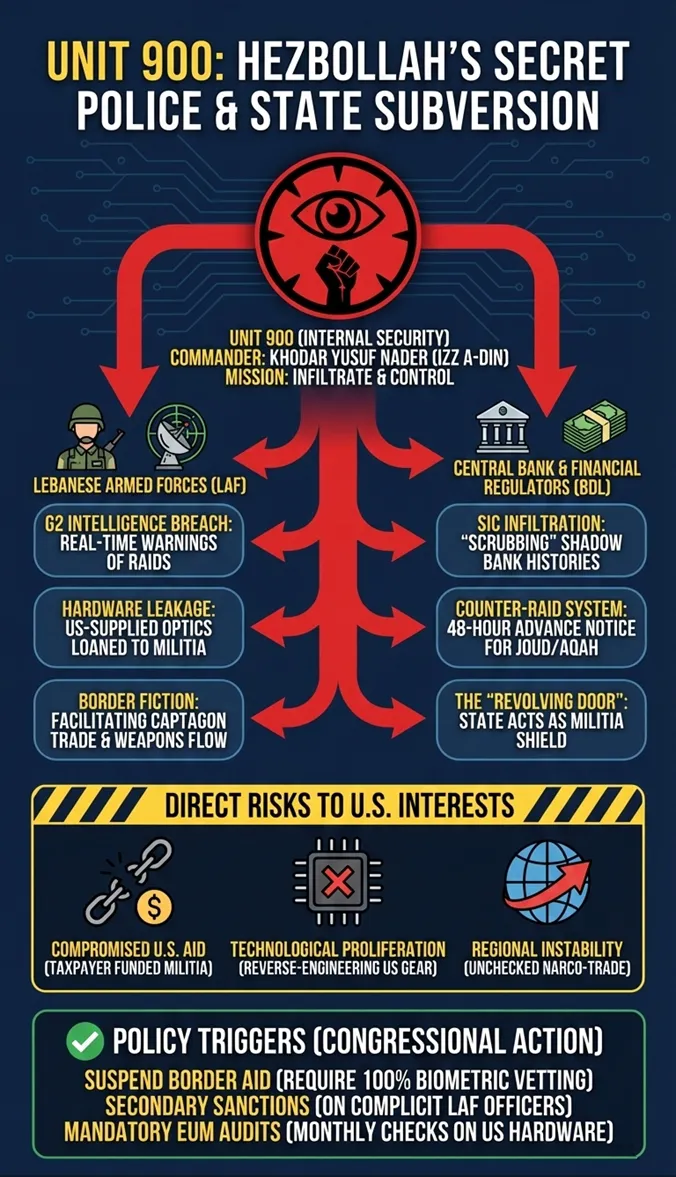
Crisis Summary
Estimated Total Economic Impact
DIRECT LOSSES
Verified financial data extracted from international audits and forensic reports.
PUBLIC FUNDS EMBEZZLED
Systematic theft by political class via state contracts and treasury looting.
OFFSHORE MONEY LAUNDERING
Illicit capital flight transferred to accounts in Switzerland, France, and tax havens.
BANKING SECTOR PONZI
Central Bank (BDL) financial engineering designed to cover state deficit using depositor funds.
INFRASTRUCTURE WASTE
Phantom projects in dams, roads, and councils that were paid for but never completed.
FUEL & ELECTRICITY
Defective fuel imports (Sonatrach), rigged tenders, and generator cartels.
CUSTOMS & SMUGGLING
Lost revenues from smuggling of goods, fuel, and drugs across porous borders.
TELECOM SECTOR FRAUD
Gross overpricing of services and embezzlement of sector revenues.
REAL ESTATE SEIZURES
Illegal acquisition of public lands (Mashaa) and coastal zones by political elites.
THE HUMAN COST
This is not just money lost; it is time and future stolen.
MASS EMIGRATION
Over 3.5 million Lebanese emigrated since 1975. Highly skilled professionals left, weakening the economy. Billions lost in missed investments, wages, and entrepreneurship.
PRIVATE GENERATOR COSTS
Lebanese people forced to rely on private generators due to a failed national grid. Families pay $200-$500/month for unreliable power.
BANK DEPOSITS STOLEN
Lebanese banks froze accounts and prevented depositors from withdrawing their money. Bankers transferred billions abroad while ordinary people lost savings.
TRAFFIC CONGESTION
Lebanese spend an average of 1.5-3 hours per day stuck in traffic. Productivity losses equivalent to 5% of Lebanon's GDP/year.
PORT OF BEIRUT EXPLOSION
The 2020 explosion destroyed businesses, homes, and key economic infrastructure. Billions in trade revenue lost due to port mismanagement.
LOSS OF FOREIGN INVESTMENT
International investors withdrew from Lebanon due to political instability & financial fraud.
HEALTH CRISIS
Lebanon's garbage crisis led to massive pollution. Poor sanitation increased disease rates, affecting workforce productivity.
RECOMMENDED REFORM PATHWAYS
Institutional Transparency
Enact independent auditing across all public monopolies, utilities, and central bank balance sheets.
Capital Controls & Asset Recovery
Establish legal frameworks aligned with international anti-money laundering (AML) and asset recovery standards.
Sovereign Economic Governance
Rebuild investor confidence through predictable judicial mechanisms and transparent public procurement.