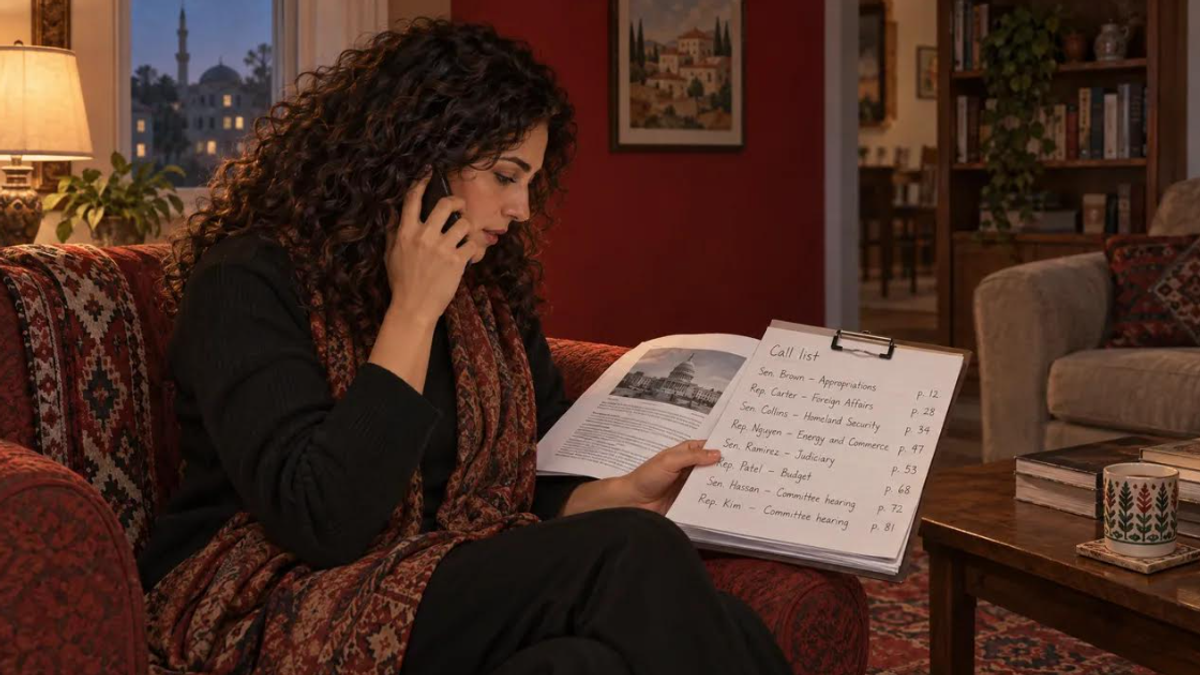
The most effective way for Americans to push reform in Lebanon is to fund and amplify independent policy research and bipartisan congressional advocacy, not to send money to charities or institutions they cannot verify. Reform there is decided by the conditions attached to aid. The only conditions an American citizen can influence are written in Washington.
Why Reconstruction Money Follows Conditions, Not Good Intentions
Large sums already move through lenders and governments. France pledged 75 million euros (around $88 million) to the World Bank's Lebanese Emergency Assistance Project, announced during Prime Minister Nawaf Salam's July 2025 visit to Paris, according to Al-Monitor. On June 25, Lebanon secured a $250 million World Bank loan to support reconstruction, Al-Monitor reported. [1]
Where it lands matters. Housing alone accounted for $4.6 billion, or 67% of total damages, mainly in southern Lebanon and the Beirut suburbs, areas largely under Hezbollah's influence, per the same Al-Monitor report. [1]
Money sent into those areas without conditions can rebuild the patronage reform must replace. A private check cannot set conditions. A constituent pressing Congress can.
Turning American Pressure Into Lebanese Reform
Ask who controls the funds before backing any cause, and walk away when nobody can tell you.
Call your representative with a measurable question. Lebanon's government never deployed the full 15,000 army troops it promised in 2006 to match UNIFIL's authorized levels, as Brookings notes. Ask whether US support is tied to closing gaps like that one.
Fund research that names who blocks reform, so your office calls carry evidence, not sentiment.
Attend briefings and foundation events like our Children of Hezbollah evening, then bring what you learn to your own networks.
This is not legal advice. Check your own giving and lobbying obligations.
Where ALEF Fits in That Chain
The American Lebanon Education Foundation (ALEF) is a registered 501(c)(3) nonprofit, and our Research & Policy Reports cover Lebanon's governance, institutions, and economic recovery. We pair that research with a Congressional Advocacy Group listing bipartisan US Congress supporters.
That is the link between evidence and the people who write conditions. Our policy reform agenda sets out the case.
ALEF is explicitly non-partisan and open to citizens of any nationality. We combine diaspora outreach, public briefings, and educational forums. Our email newsletter carries critical intelligence and updates.
The trade-off is real: advocacy moves slowly and rarely produces a photo of a rebuilt home. If you want reform that lasts past the next pledge, write to contact@usalef.org or use our contact page.
Frequently Asked Questions
What can we do to help Lebanon?
Treat verification as the first act of help. If a cause cannot show who controls its money on the ground, put your time and dollars into work you can watch instead: a congressional office whose votes are public, or a report you can read and share. Hold your own giving to the same standard you want Lebanon's state held to.
What assistance does the U.S. provide to Lebanon?
Some of it protects Americans directly. Since late September 2024, the US secured more than 8,600 airplane seats for US citizens, their immediate family, and lawful permanent residents to leave Lebanon, per the State Department. For reformers, the policy question is what Washington asks of Lebanon's state in return. Our analysis of US policy toward Lebanon covers that.
How does Lebanon treat Christians?
The State Department's 2023 Report on International Religious Freedom: Lebanon is the documented starting point. Read it before relying on anecdotes. For reform, the sharper question is whether every community is governed by accountable state institutions or by an armed party.
Who is helping Lebanon right now?
International lenders and governments carry most reconstruction finance, with the World Bank as a main channel. UN peacekeepers under UNIFIL, first established in 1978 and expanded since 2006, still frame security in the south. [2] What remains thin is a steady American constituency insisting that help strengthens the state.
Sources
1. Al-Monitor
France announced on Thursday a 75 million euros (around $88 million) contribution to a World Bank project aimed at supporting Lebanon’s construction, eight months after the war between Israel and Hezbollah ended in November.
2. Brookings
UNIFIL’s history can be divided into “old” UNIFIL, established in 1978 to monitor the Israeli withdrawal from southern Lebanon, and “new” UNIFIL, a pumped-up version in place since 2006, with 15,000 troops authorized, maritime assets, and an enhanced mandate.
3. United States Department of State
Since late September, the United States has secured more than 8,600 airplane seats for U.S. citizens, their immediate family members, and lawful permanent residents (LPRs) to depart Lebanon both by reserving seats daily on commercial flights as well as providing seats on U.S.-organized flights from Beirut.