
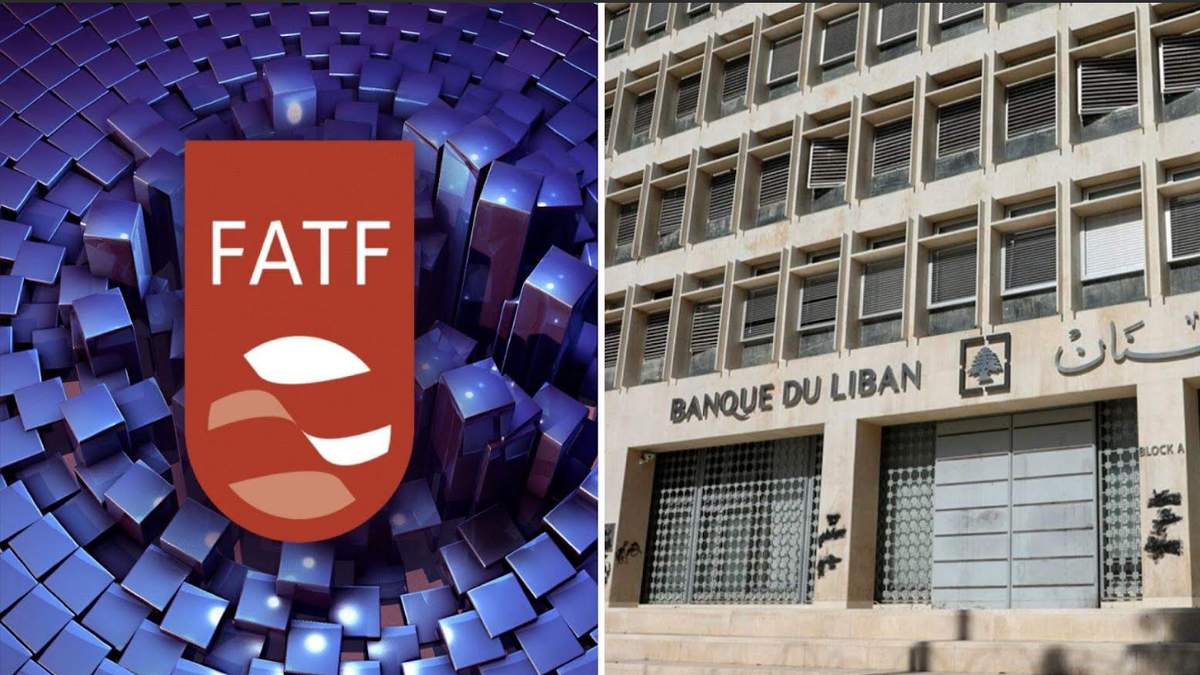
The Origins of Grey Listing
Lebanon was placed on the FATF Grey List in October 2024 after the FATF identified strategic deficiencies across several pillars of its AML/CFT regime. These included weaknesses in national risk assessment, financial intelligence, beneficial ownership transparency, asset recovery, supervision of reporting entities, and the effectiveness of investigations and prosecutions.
Rather than imposing sanctions, FATF adopted its standard enhanced monitoring process by agreeing with Lebanon on a detailed two-year Action Plan. This framework established measurable milestones that Lebanese authorities committed to completing before the end of 2026.
Unlike political organizations, FATF measures implementation rather than promises. Every jurisdiction on the Grey List follows a country-specific Action Plan with periodic reporting, technical engagement, and ultimately an on-site assessment before removal can be considered.
Why the End of 2026 Matters
Much speculation surrounded FATF's June 2026 Plenary regarding Lebanon's status. In practice, however, the Action Plan itself established the end of 2026 as the principal milestone for reassessment.
While FATF retains discretion to accelerate reviews under exceptional circumstances, there has been little indication that Lebanon would receive such accelerated treatment. Consequently, the decisive evaluation is expected only after completion of the agreed Action Plan and a successful demonstration that reforms have become operational rather than merely legislative.
This distinction is critical. Completing legislation is only the beginning. FATF must be convinced that the new framework is producing measurable results.
Progress Achieved
Lebanon has undeniably made legislative and regulatory progress since October 2024. Authorities have strengthened elements of the legal framework governing money laundering and terrorist financing, enhanced beneficial ownership requirements, expanded supervisory responsibilities, and undertaken reforms intended to improve financial intelligence and law enforcement coordination.
The Banking Control Commission of Lebanon, the Special Investigation Commission, the judiciary, customs authorities, financial regulators, and reporting institutions have all participated to varying degrees in implementing FATF recommendations. Nevertheless, FATF's methodology assigns greater importance to effectiveness than to technical compliance. This means the remaining challenge lies in proving that these reforms work in practice.
The Remaining Challenges
Several issues continue to complicate Lebanon's assessment. The first concerns beneficial ownership transparency. Although legislative reforms have improved the legal framework, FATF will expect authorities to demonstrate that beneficial ownership information is accurate, accessible, verified, and actively used during investigations. Second, asset recovery remains a critical weakness. FATF increasingly evaluates whether countries identify, freeze, confiscate, and ultimately recover criminal proceeds rather than merely investigating financial crimes. Third, supervisory effectiveness remains uneven across both financial institutions and designated non-financial businesses and professions. Risk-based supervision must become demonstrably operational across all sectors. Fourth, the extensive cash economy continues to undermine financial transparency. Lebanon's prolonged banking crisis has shifted significant economic activity outside the regulated financial sector, reducing transaction visibility and complicating AML/CFT monitoring. Finally, judicial effectiveness remains under scrutiny. Financial intelligence must lead to investigations, prosecutions, convictions, and confiscations if FATF is to conclude that Lebanon's AML/CFT regime operates effectively.
The Security Environment Cannot Be Ignored
Lebanon's reform efforts have unfolded under exceptionally difficult circumstances.
The economic collapse remains unresolved. Reconstruction following the Israeli military operations has imposed additional fiscal pressures. Large-scale displacement continues to strain public institutions. Political fragmentation complicates decision-making across virtually every sector. Recognizing these realities, FATF has notably refrained from recommending enhanced due diligence measures or countermeasures against Lebanon. This reflects an understanding that extraordinary geopolitical circumstances have affected implementation capacity. However, FATF has consistently demonstrated that contextual flexibility does not replace institutional performance. Every country ultimately exits enhanced monitoring only after proving sustainable implementation.
The Shadow Financial System
One of Lebanon's most persistent challenges lies beyond the formal financial sector. A substantial portion of economic activity continues to operate outside the regulated banking system through extensive cash transactions, informal value transfer mechanisms, precious-metals trading, cross-border smuggling, and financial networks that remain largely beyond the reach of effective regulatory oversight. These parallel financial channels reduce transaction transparency, complicate customer due diligence, weaken financial intelligence, and limit the state's ability to detect and disrupt illicit financial activity.
Numerous analysts and policy observers have also highlighted concerns regarding the possible use of gold and other precious metals to facilitate sanctions evasion, the continued vulnerability of the Lebanese-Syrian border to illicit trade and informal financial flows, and the importance of safeguarding public institutions from criminal or illicit influence. While the scale and significance of these vulnerabilities remain subject to debate, they collectively underscore the broader challenge of extending effective governance across the entire financial ecosystem rather than focusing solely on regulated financial institutions.
Addressing these vulnerabilities will require a pragmatic and carefully sequenced approach. Strengthening border management, enhancing customs enforcement, improving financial intelligence capabilities, expanding oversight of designated non-financial businesses and professions, and encouraging a gradual transition from cash-based transactions toward greater financial inclusion are likely to produce more sustainable results than measures that exceed existing institutional capacity. Durable reform depends not only on ambitious objectives but also on preserving and strengthening the institutions responsible for implementing them.
For FATF purposes, the central question is not whether Lebanon can eliminate every component of its shadow economy within a short period of time. Rather, it is whether the country can demonstrate sustained progress in reducing illicit financial activity, strengthening institutional effectiveness, and extending the rule of law across areas that have historically remained beyond effective regulatory oversight.
What FATF Will Ultimately Measure
As Lebanon approaches the completion of its two-year Action Plan, the central question is no longer whether the country has enacted the required legislation. By the end of 2026, FATF's assessment will focus primarily on whether those legal and regulatory reforms have translated into measurable institutional performance. Throughout its evaluation methodology, FATF consistently distinguishes between technical compliance, which is the existence of appropriate laws, regulations, and institutional arrangements, and effectiveness – Do those measures produce tangible results in practice.
For Lebanon, this distinction is particularly significant because considerable progress has already been made in strengthening the legislative framework governing anti-money laundering and counter-terrorist financing. However, legislative progress alone does not satisfy FATF's expectations. Countries are removed from enhanced monitoring only after demonstrating that their institutions consistently apply the law, coordinate effectively, investigate financial crime, prosecute offenders, recover illicit assets, and supervise financial institutions using a genuinely risk-based approach. Accordingly, FATF's evaluators are likely to focus on a series of practical questions that reveal whether Lebanon's AML/CFT framework functions effectively in day-to-day operations:
- Are suspicious transaction reports leading to meaningful financial intelligence, investigations, and prosecutions?
- Are money laundering and terrorist financing cases resulting in convictions that reflect effective judicial action rather than isolated enforcement efforts?
- Are criminal assets being identified, frozen, confiscated, and ultimately recovered?
- Is beneficial ownership information accurate, verified, readily accessible, and actively used by competent authorities during investigations?
- Are banks and other reporting entities implementing genuinely risk-based customer due diligence, enhanced monitoring, and sanctions screening rather than relying on formal compliance alone?
- Are supervisory authorities identifying weaknesses through effective inspections and ensuring that deficiencies are corrected in a timely and proportionate manner?
- Can Lebanon demonstrate sustained institutional coordination among the Special Investigation Commission, the Banking Control Commission, law enforcement agencies, customs authorities, prosecutors, and the judiciary?
Underlying each of these questions is a broader assessment of institutional credibility. FATF seeks evidence that financial intelligence is actionable, supervision is effective, enforcement is proportionate, judicial outcomes are meaningful, and institutions function consistently despite political, economic, and security pressures. In other words, the assessment extends beyond individual agencies to evaluate whether the country's entire AML/CFT architecture operates as an integrated and resilient system.
Ultimately, these are questions of governance rather than legislation. They measure institutional effectiveness rather than legislative activity, implementation rather than intention, and sustained performance rather than isolated achievements. Lebanon's prospects for exiting the Grey List will therefore depend less on announcing additional reforms than on producing credible evidence that the reforms already adopted have become embedded in the daily operations of its public institutions and financial system.
Lebanon's Chances of Exiting the Grey List
Lebanon's prospects for exiting the FATF Grey List remain balanced between cautious optimism and considerable uncertainty. On the positive side, the country has completed much of the legislative and regulatory framework required under its FATF Action Plan. International partners continue to provide technical assistance, while FATF itself has demonstrated an appreciation of Lebanon's exceptionally difficult operating environment by allowing the agreed reform timetable to run its course without imposing enhanced countermeasures. The challenge now lies almost entirely in implementation. A large cash-based economy limited institutional capacity, uneven judicial outcomes, and the continued existence of parallel financial networks all complicate Lebanon's ability to demonstrate the sustained institutional effectiveness that FATF requires before removing a jurisdiction from enhanced monitoring.
At the same time, Lebanon may be approaching a broader strategic turning point. Ongoing negotiations aimed at securing a durable ceasefire, resolving outstanding security issues, and potentially laying the foundations for a more stable relationship between Lebanon and Israel could significantly improve the country's operating environment. While any comprehensive political settlement remains uncertain, a sustained reduction in armed confrontation would allow state institutions to redirect greater attention and resources toward governance, economic reform, border management, customs enforcement, financial supervision, and judicial effectiveness.
Such a development would have implications extending well beyond regional security. One of FATF's principal concerns is the existence of financial activity operating outside effective state oversight. To the extent that improved security conditions strengthen the state's monopoly over legitimate financial regulation, enhance control over border crossings, reduce illicit cross-border trade, and reinforce the authority of civilian institutions, they would also narrow the operating space available to informal and parallel financial networks. Over time, this could strengthen Lebanon's ability to demonstrate more effective implementation of its AML/CFT framework.
Equally important, a more stable political and security environment would improve investor confidence, encourage the gradual return of financial intermediation to the formal banking sector, facilitate stronger correspondent banking relationships, and reduce the economy's dependence on cash transactions. These developments would reinforce several of FATF's Immediate Outcomes by increasing financial transparency, improving transaction traceability, and expanding the effectiveness of supervisory and law enforcement authorities. None of these outcomes, however, should be viewed as automatic consequences of a political agreement. Peace or security arrangements, however important, cannot substitute for institutional reform. FATF will continue to assess Lebanon on the basis of measurable performance rather than geopolitical developments. A more stable regional environment may create a unique window of opportunity, but only effective governance, credible enforcement, judicial independence, and sustained implementation of the Action Plan can ultimately secure Lebanon's removal from the Grey List.
The probability of delisting therefore depends not on additional legislation alone, nor solely on improvements in the regional security environment, but on whether Lebanese institutions can seize this opportunity to produce convincing and sustained evidence of institutional effectiveness during the remaining months of implementation. In that sense, the convergence of domestic reform and regional de-escalation may offer Lebanon its strongest opportunity in years to restore both international confidence and financial credibility.
Why This Matters for Investment Development Authority of Lebanon (IDAL) and Lebanon's Investment Future
For many observers, Lebanon's FATF Grey List status appears to concern banks, financial institutions, and financial regulators alone. In reality, its implications extend well beyond the financial sector. International investors increasingly evaluate jurisdictions through the broader lens of governance, transparency, institutional integrity, and financial-system resilience. A country's AML/CFT standing has become an important component of its overall investment risk profile. This places IDAL in a unique position. While IDAL is not responsible for implementing Lebanon's FATF Action Plan, it has a direct interest in its successful completion since every improvement in transparency, beneficial ownership information, financial integrity, and institutional governance enhances Lebanon's attractiveness as an investment destination.
Foreign direct investment today is driven by more than tax incentives or investment promotion campaigns. Institutional confidence has become a competitive advantage. Investors seek assurance that contracts will be respected, financial transactions can be conducted without unnecessary restrictions, correspondent banking relationships are stable, and regulatory institutions operate according to internationally recognized standards. Progress in these areas directly supports IDAL's mission of attracting productive investment into Lebanon.
Equally important, IDAL can become an active contributor to Lebanon's broader reform agenda. Through its engagement with domestic investors, multinational corporations, development finance institutions, export credit agencies, and international investment promotion organizations, IDAL can help communicate Lebanon's reform trajectory while encouraging investors to adopt the highest standards of corporate governance, transparency, and compliance. Investment promotion and institutional reform should therefore be viewed as mutually reinforcing objectives rather than separate policy agendas.
As Lebanon approaches its end-of-2026 FATF assessment, IDAL has an opportunity to position itself not simply as an agency that promotes investment, but as a national institution that promotes confidence. By embedding governance, transparency, responsible investment, and international compliance standards into its investment promotion strategy, IDAL can contribute to restoring Lebanon's international credibility while simultaneously improving its competitiveness in attracting long-term, sustainable investment.
In today's global economy, countries increasingly compete on the quality of their institutions as much as on the quality of their opportunities. Helping Lebanon exit the FATF Grey List would therefore represent more than a regulatory success; it would become an important milestone in rebuilding the confidence upon which future investment and economic recovery ultimately depend.
Conclusion
Lebanon's FATF assessment at the end of 2026 will represent far more than a technical review of its anti-money laundering and counter-terrorist financing framework. It will serve as an international assessment of the country's institutional credibility and its capacity to implement reforms effectively under exceptionally difficult political, economic, and security conditions. For Lebanon, exiting the Grey List is not simply about improving its international reputation. It is a critical step toward restoring correspondent banking relationships, attracting foreign direct investment, facilitating international trade, reducing the cost of doing business, strengthening financial stability, and laying the foundations for sustainable economic recovery. In an increasingly interconnected global economy, financial integrity has become an essential component of national competitiveness.
The remaining months before FATF's assessment should therefore focus less on announcing additional reforms and more on producing measurable results. The legislative foundations have largely been established. What now matters is evidence that suspicious transaction reports lead to investigations, that investigations result in prosecutions and asset recovery where appropriate, that beneficial ownership information is accurate and accessible, that supervisory authorities are effectively enforcing compliance, and that public institutions are working together as an integrated system capable of delivering sustained outcomes.
The evolving regional environment may also present Lebanon with a rare strategic opportunity. A more stable security landscape, coupled with renewed efforts to strengthen state institutions and restore the rule of law, could reinforce the implementation of reforms by improving border governance, reducing the space for illicit financial activity, and encouraging economic activity to return to the formal financial sector. Such developments, however, can only support, not replace, the institutional effectiveness that FATF ultimately measures.
Ultimately, Lebanon's journey off the FATF Grey List is not about satisfying an international standard or completing a technical Action Plan. It is about demonstrating that the Lebanese state is once again capable of governing through effective institutions, transparency, accountability, and the rule of law. In today's global economy, countries compete not only on the opportunities they offer but also on the confidence they inspire. Those that demonstrate institutional integrity attract investment, talent, financing, and long-term partnerships. Those that fail to do so are forced to compete on incentives alone.
The true prize for Lebanon, therefore, extends well beyond removal from the Grey List. It is the restoration of institutional confidence. This is the indispensable foundation upon which sustainable investment, inclusive economic recovery, financial stability, and long-term national prosperity must ultimately be built.