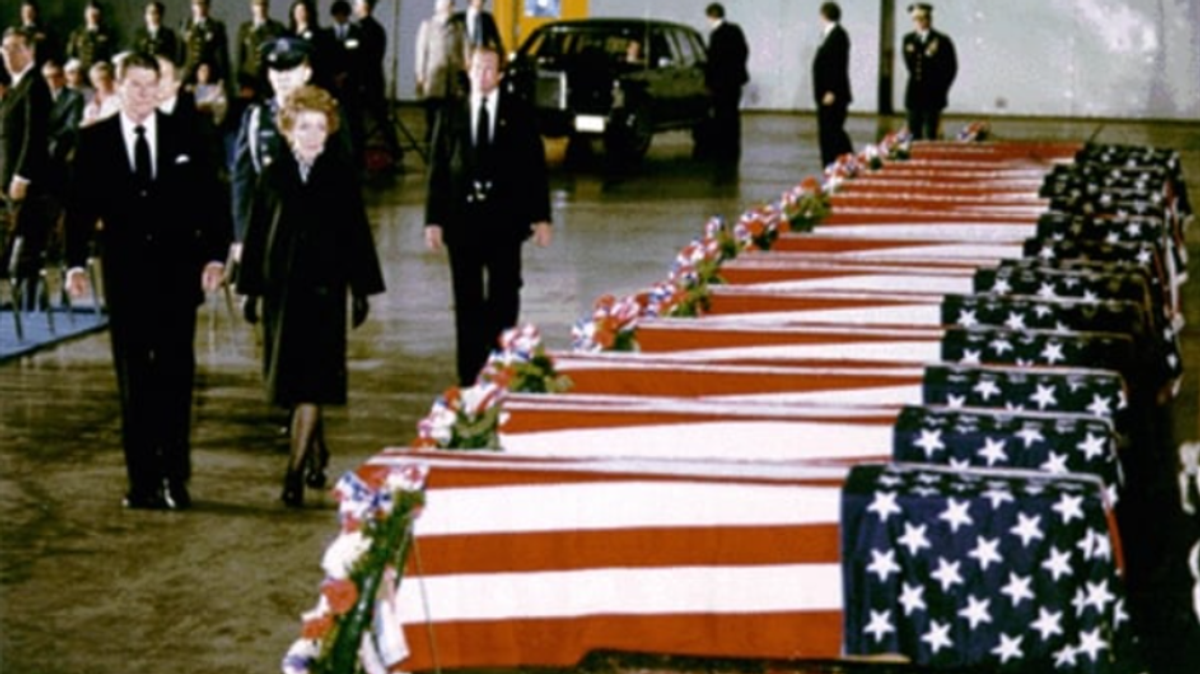
For over four decades, U.S. policy toward Lebanon has been characterized by a tragic irony: in the pursuit of regional stability, Washington systematically sacrificed Lebanese sovereignty, only to reap a harvest of instability that now threatens its most vital interests. From the withdrawal of the Multinational Force in 1984 to the acquiescence to Syrian tutelage in the 1990s, the U.S. strategy of “outsourcing” Lebanese security has proven to be a catastrophic strategic failure.
1. The Trap of Syrian “Tutelage” (1990–2005)
The foundational error began in the late 1980s and was codified after the 1990 Taif Agreement. Washington, seeking Syrian support for the Gulf War and a breakthrough in the Arab-Israeli peace process, essentially handed Lebanon to the Assad regime. This “stability-first” approach viewed Lebanon as a bargaining chip rather than a sovereign state.
As noted in a Belfer Center retrospective, “Fool Me Twice: How the United States Lost Lebanon—Again,” this period of “stability” allowed Damascus to dismantle Lebanese state institutions while providing a fertile greenhouse for the IRGC to nurture Hezbollah. By prioritizing a “peace process” that never materialized, the U.S. allowed Lebanon to be transformed into a logistics hub for Iranian expansionism.
2. The Vacuum and the Rise of the “State Within a State”
When the U.S. finally pivoted in 2005 following the Cedar Revolution, the damage was already deep. The decades of Syrian oversight had ensured that the Lebanese Armed Forces (LAF) remained structurally inferior to the Hezbollah militia. The U.S. policy of “passive containment”—hoping that political engagement would eventually moderate Hezbollah—only gave the group the time it needed to embed itself into the Lebanese state’s financial and security infrastructure.
The failure to demand immediate, non-negotiable disarmament following the Syrian withdrawal allowed Hezbollah to achieve what the RAND Corporation identifies as a “parallel state” status. This policy of neglect directly enabled:
The 2006 War: A conflict the Lebanese state did not choose but was forced to endure.
Strategic Encirclement: The transformation of Lebanon into a missile base that threatens Eastern Mediterranean energy corridors.
Financial Contagion: The use of the Lebanese banking system to bypass U.S. sanctions, fueling the IRGC’s regional wars.
3. Harming U.S. National Interests
By leaving Lebanon to Syria and subsequently to Hezbollah, the U.S. did not achieve stability; it created a security deficit. Current assessments from CSIS (2025) underscore that a “militia-dominated” Lebanon has become a primary exporter of regional instability, narcotics (Captagon), and advanced weaponry.
The “cut and run” legacy of 1984 and the “outsourced stability” of the 1990s signaled to America’s adversaries that Lebanon was an open theater for proxy warfare. This has directly harmed U.S. interests by:
Empowering Iran: Giving Tehran a Mediterranean coastline and a veto over regional peace.
Destabilizing Allies: Placing constant military and refugee pressure on neighboring Israel and Jordan.
Eroding Credibility: Demonstrating to pro-Western Lebanese that Washington values the “deal” over the “ally.”
Conclusion: The End of the “Managed Decline”
The lesson of the last 40 years is clear: any U.S. policy that does not prioritize the restoration of a state monopoly on violence is a policy that actively aids America’s enemies. The “managed decline” of Lebanese sovereignty has reached its end. Today, as U.S. envoys increasingly label Lebanon a “failed state” (Manama Dialogue, 2025), it is time to acknowledge that the only way to protect U.S. interests is to break the cycle of “outsourcing” and demand the total disarmament of Hezbollah as a prerequisite for any further engagement.