
Lebanon today stands as a cautionary tale—a republic broken by its own contradictions, where diplomacy has too often meant indulgence and strength has too often been mistaken for arrogance. Once described as the “Switzerland of the East,” it has become a laboratory of paralysis, corruption, and fatigue. Each new envoy who lands in Beirut is greeted by the same cast of characters, the same choreography of smiles and dinners, and the same slow unraveling of promises. To succeed there requires not only intelligence and patience, but a taste for confrontation. And now, into this fractured landscape, comes Michel Issa.
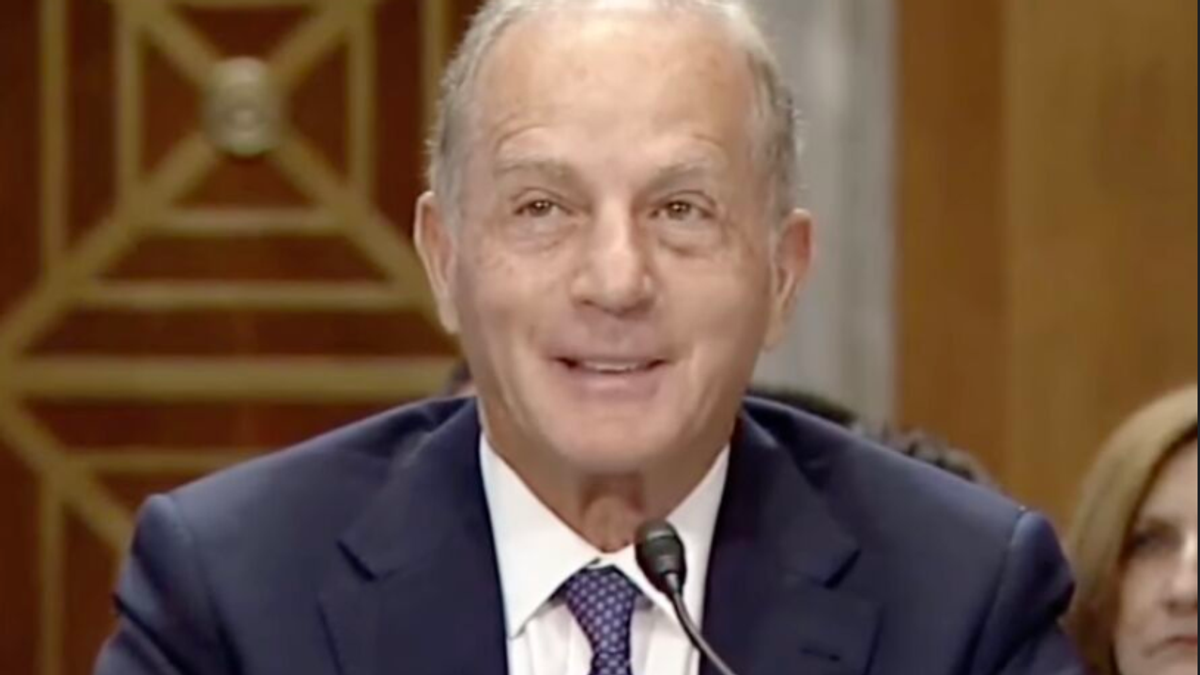
Michel Issa, a Lebanese-American businessman, has already drawn attention for his blunt testimony before the Senate Foreign Relations Committee, declaring that the disarmament of Hezbollah was “not an option but a necessity.” His arrival in Beirut marks the beginning of a new chapter in U.S.–Lebanon relations—one defined not by aid or appeasement, but by strength and accountability.
The Lebanese political class has mastered the craft of delay, deception, and dependence—promising reform to every envoy, minister, or banker who arrives, only to continue their business as usual once the plane departs. Lebanon’s culture too often mistakes charm for competence.
For years, Washington armed, trained, and financed an entire system that could not enforce a single law without Hezbollah’s permission. Every dollar has gone to prop up a structure that survives only because it feeds on foreign generosity. Issa, with Trump’s backing, finally has the power to end that cycle.
Will he?
I believe Issa’s tenure will be successful if he avoids falling into the trap of “understanding Lebanon.” He must understand, instead, how Lebanon’s power brokers survived by manipulating Washington for decades. He must not be the next American ambassador who gets remembered for sympathy, not strategy.
If Issa succeeds in restoring that authority, his example will reach beyond Beirut. It will echo through every chancery in the Middle East, reminding allies and adversaries alike that the United States, under President Trump, rewards discipline, not diplomacy for its own sake.
And if he fails the result will be predictable. The same men who toasted him on arrival will turn on him by the time he leaves. The same newspapers that praise him for “understanding Lebanon” will mock him as “another disappointed American.”
But if he stands firm—if he carries the mandate of a president who called him “a warrior and a friend,” and acts as one—he will leave behind something no ambassador in decades has achieved: fear, respect, and results.
Time will tell... What do you say?
Share your thoughts....