
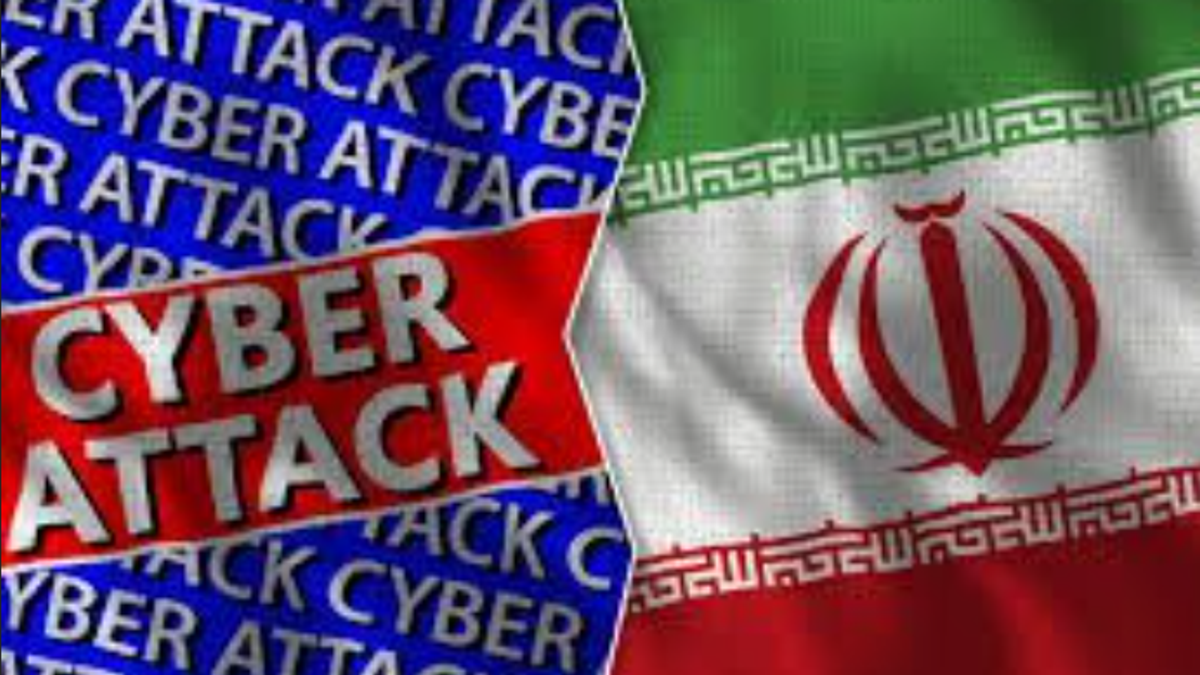
So we did it. America’s military might — a combination of satellite surveillance, stealth bombers, and enough firepower to make Zeus blush — obliterated Iran’s nuclear infrastructure in a series of blistering airstrikes. The centrifuges are now molten metal. The command bunkers are smoking holes in the earth. And, for a fleeting moment, the world exhaled.
But before we break out the cigars and declare Mission Accomplished 2.0, let’s remember: Iran doesn’t need a working uranium enrichment program to be a menace. In fact, Tehran’s most insidious weapons today don’t require any uranium at all — just a keyboard and a decent broadband connection.
The question before us now is: What kind of actor will Iran be going forward, despite the ceasefire terms with Israel? Will it lick its wounds quietly? Or will it lean harder into the asymmetric warfare it has been perfecting for decades — cyberthreats that can grind modern life to a halt without firing a single shot?
If the last decade has taught us anything, it’s that when nation-states get humiliated on the conventional battlefield, they don’t give up — they pivot. Just look at Russia. Since the invasion of Ukraine, Moscow’s cyber operators and affiliated eCrime gangs have been treating European power grids and American hospitals like a toddler treats a Lego tower: something to knock over again and again for fun.
It’s naïve to think that, post-strike, Tehran’s hackers will just fold up their laptops. More likely, the Islamic Revolutionary Guard Corps (IRGC) will intensify cyber operations, targeting Israeli infrastructure and Western allies’ critical systems. These operators, many trained in Russia and China, don’t need fissile material to paralyze banks, pipelines, or power grids. They just need vulnerabilities — of which there are plenty.
While Iran may not have the resources to match China’s scale, there’s little stopping it from borrowing tactics and even buying exploits from the same suppliers. That means your utilities provider or your municipal government could already be compromised by the combined ingenuity of state actors who are happy to collaborate when their interests align.
Cyberwarfare is cheaper, deniable, and deeply satisfying for regimes nursing a grudge. If Tehran wants to restore prestige after the vaporization of its nuclear dreams, it can do so by humiliating Western institutions in cyberspace — while maintaining plausible deniability.
It’s time to invest in cyber defense infrastructure with the urgency we’ve historically reserved for kinetic threats. That means hardening critical networks, funding AI-based threat detection, and creating real deterrence against state-backed cyberattacks.
After all, in this brave new world, the real weapons of mass destruction aren’t buried underground. They’re just one click away.
Share your thoughts
Blackhawk Partners, Inc.
Brain Expansion Group